

 MetaDesign Solutions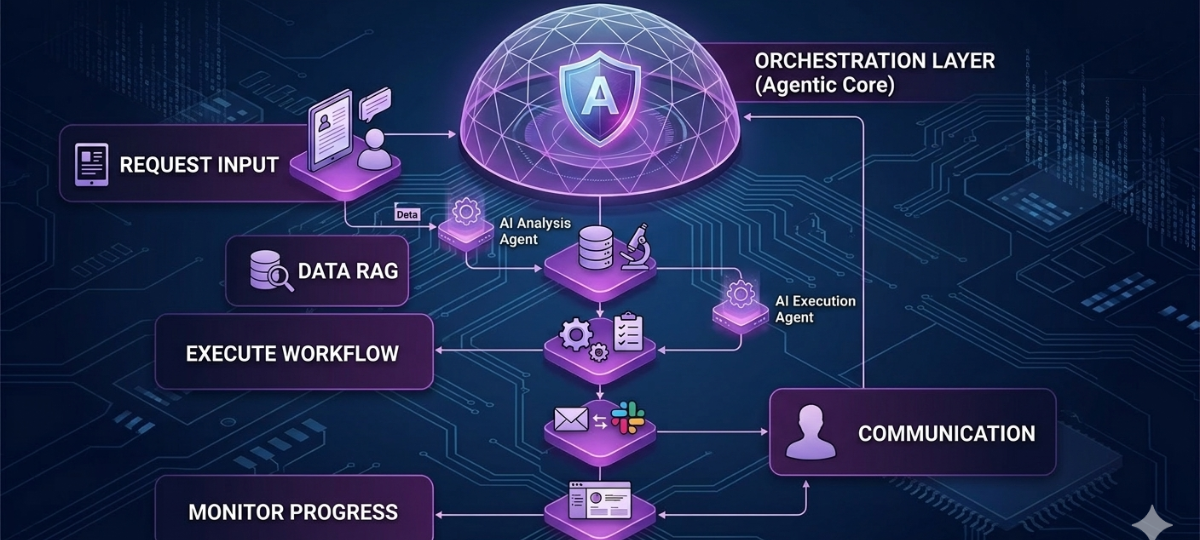

Businesses today rely heavily on software to manage operations, automate processes, and drive productivity. However, many organizations still depend on legacy SaaS systems that were designed years ago and struggle to meet modern business needs. As technology evolves, companies are increasingly choosing to replace legacy software with custom AI-driven workflow software that delivers automation, intelligence, and scalability.
In 2026, the shift toward AI workflow automation software and legacy system modernization is accelerating as organizations seek smarter ways to streamline operations. Custom AI-powered platforms enable businesses to automate complex processes, reduce manual work, and gain real-time insights into workflows.
This guide explains why companies are replacing legacy SaaS systems, how AI-driven workflow automation works, and how organizations can successfully transition to modern AI-powered software solutions.
Why Legacy SaaS Systems Are Slowing Down Businesses
Legacy SaaS tools were designed to solve specific problems in earlier stages of digital transformation. While they were effective in the past, many businesses now find these systems limiting.
Common issues with legacy software include:
Limited Automation Capabilities
Many older SaaS tools rely on manual workflows, making them inefficient for modern business operations.
Poor Integration with Modern Tools
Legacy systems often struggle to integrate with cloud platforms, APIs, and modern applications.
Lack of Scalability
As businesses grow, legacy SaaS systems cannot scale efficiently, resulting in operational bottlenecks.
High Operational Costs
Maintaining outdated systems often requires additional tools, workarounds, and IT support.
Fragmented Workflows
Many companies use multiple disconnected SaaS platforms, leading to inefficient workflows and poor data visibility.
Because of these challenges, organizations are increasingly exploring legacy system modernization and AI-powered business automation.
What Is Custom AI-Driven Workflow Software?
Custom AI-driven workflow software is a modern technology solution designed to automate and optimize business processes using artificial intelligence and machine learning.
Unlike traditional SaaS tools, AI-powered workflow platforms can:
- Analyze business data automatically
- Automate repetitive processes
- Predict outcomes and trends
- Optimize workflow efficiency
- Integrate seamlessly with enterprise systems
These systems use AI workflow automation and intelligent automation platforms to streamline operations across departments.
For example, AI workflow software can automatically:
- process invoices
- categorize expenses
- route approvals
- analyze financial data
- trigger automated tasks
This makes AI-powered workflow tools significantly more powerful than traditional SaaS systems.
Key Benefits of Replacing Legacy SaaS with AI Workflow Automation
Replacing outdated systems with AI workflow automation software offers several advantages for businesses.
Increased Productivity Through Automation
AI-driven automation eliminates repetitive tasks and reduces manual work, allowing teams to focus on strategic activities.
Intelligent Decision Making
AI systems analyze large datasets and generate actionable insights that help businesses make better decisions.
Unified Business Workflows
Custom workflow software integrates multiple processes into a single platform, improving operational efficiency.
Scalable Business Infrastructure
Modern AI automation platforms for business operations can scale easily as organizations grow.
Improved Data Visibility
Businesses gain centralized dashboards and real-time analytics to monitor performance across workflows.
Cost Optimization
Replacing legacy SaaS tools with custom business workflow software reduces licensing costs and operational overhead.

Transform Legacy SaaS with AI-Driven Workflow Automation
Still relying on outdated SaaS tools that slow down your business processes? Discover how custom AI-driven workflow software can replace rigid legacy systems, automate complex operations, and help your organization operate faster and smarter in 2026.
How AI-Driven Workflow Software Works
AI-powered workflow platforms combine several technologies to automate and optimize business processes.
Artificial Intelligence and Machine Learning
AI algorithms analyze data patterns and automate complex decision-making processes.
Business Process Automation
Automated workflows manage tasks such as approvals, reporting, and document processing.
Cloud-Based Architecture
Modern workflow systems run on scalable cloud infrastructure for high availability and performance.
Integration with Enterprise Systems
AI platforms integrate with CRM systems, accounting software, ERP platforms, and databases.
Predictive Analytics
AI models can forecast trends and recommend workflow improvements.
These capabilities enable organizations to move beyond traditional SaaS tools and adopt intelligent workflow automation systems.
Real-World Use Cases of AI Workflow Automation
Many industries are adopting AI-powered workflow automation solutions to improve operational efficiency.
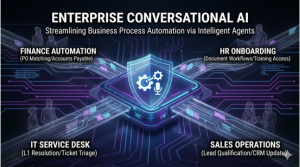
Finance and Accounting Automation
AI software automates invoice processing, reconciliation, financial reporting, and compliance monitoring.
Customer Support Automation
AI chatbots and workflow systems streamline ticket management and customer service processes.
HR Process Automation
Organizations use AI-driven workflows for employee onboarding, payroll processing, and performance tracking.
Sales Workflow Optimization
AI platforms automate lead qualification, CRM updates, and sales reporting.
Operations Management
AI workflow tools help manage supply chains, inventory systems, and operational planning.
These use cases highlight why companies are replacing legacy enterprise software with AI automation solutions.
How to Replace Legacy SaaS with AI-Driven Workflow Software
Migrating from legacy systems to modern automation platforms requires a strategic approach.
Step 1: Evaluate Existing Software Infrastructure
Identify limitations of current SaaS tools and determine which workflows need improvement.
Step 2: Define Business Automation Goals
Establish clear objectives such as improving efficiency, reducing costs, or enhancing reporting.
Step 3: Design Custom Workflow Architecture
Develop a custom workflow platform tailored to your business operations.
Step 4: Integrate AI Automation Capabilities
Implement AI algorithms to automate workflows and improve decision-making processes.
Step 5: Migrate Data and Processes
Transfer data and operational workflows from legacy SaaS systems to the new platform.
Step 6: Optimize and Scale
Continuously improve workflows using analytics and AI insights.
Following these steps ensures a successful legacy system modernization strategy.
Key Technologies Powering AI Workflow Platforms
Modern AI automation platforms for business rely on several advanced technologies.
Machine Learning
Machine learning models analyze business data and automate predictions.
Natural Language Processing (NLP)
NLP allows AI systems to process and understand human language.
Cloud Computing
Cloud infrastructure enables scalable and reliable workflow systems.
API Integrations
APIs connect workflow software with enterprise applications.
Low-Code and No-Code Platforms
These tools allow businesses to customize workflows without heavy development efforts.
Together, these technologies power modern enterprise workflow automation solutions.
Future of AI-Driven Business Automation
The future of enterprise software is shifting toward intelligent automation and AI-powered operations.
Emerging trends include:
- Autonomous business workflows
- AI-powered decision engines
- Predictive process optimization
- AI-driven enterprise software ecosystems
Organizations adopting AI-driven workflow automation software today will gain a competitive advantage as automation technology continues to evolve.
Final Thoughts
Legacy SaaS systems once helped businesses digitize their operations, but modern organizations require more advanced technology to stay competitive. By replacing outdated tools with custom AI-driven workflow software, businesses can unlock new levels of productivity, automation, and operational intelligence.
Companies investing in AI workflow automation, legacy system modernization, and intelligent automation platforms are building a future-ready digital infrastructure that can adapt to rapidly changing business environments.
As 2026 approaches, organizations that embrace AI-powered workflow software will lead the next wave of digital transformation.
Related Hashtags:
#AIWorkflowAutomation#LegacySystemModernization#BusinessAutomation#AIForBusiness#WorkflowAutomation#EnterpriseAutomation#DigitalTrnsformation#AIWorkflowSoftware#AutomationTechnology#SmartBusinessSystems