

 MetaDesign Solutions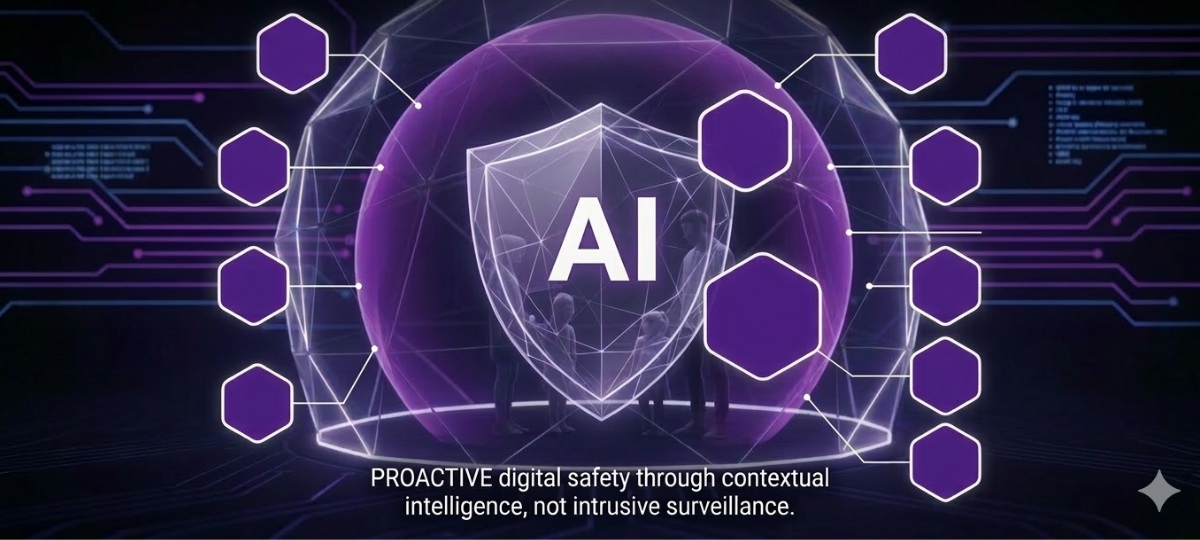

The digital world in 2026 is more immersive, interactive, and complex than ever before. Children are exposed to social media platforms, online gaming communities, AI chatbots, streaming services, and messaging apps from an early age. As screen time increases, so do digital risks.
This has made parental control app development one of the fastest-growing segments in mobile application development.
However, modern parents expect more than just website blocking. Today’s AI-powered parental control apps must combine security, intelligence, real-time monitoring, and privacy-focused architecture.
Below are the top features every parental control app must have in 2026 to remain competitive, secure, and effective.
1. Smart App & Website Blocking
Basic keyword filtering is no longer enough.
Modern parental control apps must provide:
- Category-based web filtering
- Real-time website blocking
- App-level restriction management
- Custom blacklist and whitelist options
- AI-powered content detection
Using AI-based content filtering, apps can understand context rather than just block predefined keywords, improving accuracy and reducing false positives.
2. Screen Time Management & Scheduling
Excessive screen time is one of the biggest concerns for parents.
Essential features include:
- Daily and weekly screen time limits
- App-specific usage restrictions
- Scheduled device lock periods
- Remote pause functionality
- Usage analytics dashboard
Advanced apps use behavioral analytics to recommend healthier digital habits based on activity trends.
3. Real-Time Location Tracking with Geofencing
Location safety remains a top priority.
Every parental monitoring app should offer:
- GPS-based live tracking
- Location history reports
- Custom geofencing zones
- Instant alerts when boundaries are crossed
- Safe-route monitoring
Secure data encryption is essential when handling location-based services.
4. AI-Powered Cyberbullying Detection
Cyberbullying can be subtle and emotionally harmful.
AI-driven parental monitoring apps use:
- Natural Language Processing (NLP)
- Sentiment analysis
- Pattern detection algorithms
These systems detect negative tone, harassment patterns, or risky conversations and alert parents proactively.
5. Social Media & Messaging Monitoring
Children spend significant time on messaging platforms and social apps.
Modern parental control apps must:
- Monitor public social media activity
- Detect harmful keywords or patterns
- Analyze message tone (where legally permitted)
- Provide risk-based alerts
AI-based systems reduce manual oversight and improve detection accuracy.

Build Smarter Protection with Essential Parental Control Features
Planning to develop a parental control app? Discover the must-have features that ensure real-time monitoring, content filtering, screen time management, and enhanced digital safety.
6. Real-Time Activity Reports & Insights
Parents need actionable insights, not raw data.
A powerful parental monitoring app should include:
- App usage reports
- Browsing history summaries
- Screen time breakdown by category
- AI-generated behavior insights
- Weekly and monthly digital wellness reports
Data visualization dashboards improve usability and understanding.
7. Image & Video Content Monitoring
With the rise of visual communication, text filtering alone is insufficient.
AI computer vision technology enables:
- Detection of explicit images
- Identification of violent content
- Recognition of self-harm indicators
- Media scanning in supported apps
Real-time image analysis enhances digital child safety significantly.
8. Multi-Device & Cross-Platform Support
A robust parental control solution must support:
Android devices
iOS devices
Tablets
Windows systems
macOS devices
With seamless Flutter app development integration, cross-platform parental monitoring ensures consistent oversight across multiple devices while maintaining performance and user experience.
9. Strong Security & Data Encryption
Because parental control apps manage highly sensitive data, security must be enterprise-grade.
Essential security features include:
- End-to-end encryption
- Secure cloud storage
- Multi-factor authentication
- Role-based access control
- Zero-trust architecture
Data protection builds long-term user trust.
10. Compliance with Data Protection Regulations
Legal compliance is non-negotiable.
Apps must adhere to:
- COPPA (Children’s Online Privacy Protection Act)
- GDPR (General Data Protection Regulation)
- Local child privacy regulations
- App store compliance standards
Transparent consent and minimal data collection policies are critical.
11. Emergency Alerts & SOS Features
Some advanced parental control apps include emergency safety features such as:
- Panic button integration
- Instant SOS notifications
- Emergency contact automation
- Real-time alert escalation
This enhances offline safety as well.
12. AI-Based Digital Wellness & Addiction Monitoring
Future-ready parental monitoring apps focus not only on safety but also on wellness.
AI systems can:
- Detect excessive screen dependency
- Recommend healthy breaks
- Identify late-night usage risks
- Provide digital balance insights
This transforms monitoring tools into digital parenting assistants.
13. Cloud-Native & Scalable Architecture
A successful parental control app must be built using:
- Cloud-native infrastructure
- Microservices architecture
- Secure API gateways
- Real-time analytics engines
- Auto-scaling cloud deployment
Scalability ensures performance during peak usage.
14. Parent-Friendly User Interface
A powerful backend must be matched with an intuitive frontend.
Key UI considerations:
- Simple dashboard navigation
- Easy-to-configure rules
- Clear visual reports
- Instant alert notifications
- Customizable controls
Usability significantly impacts adoption and retention.
The Future of Parental Control Applications
The next generation of parental control apps will integrate:
- AI-based emotion detection
- Voice monitoring alerts
- Predictive risk analytics
- Integration with wearable devices
- AI parenting recommendations
As digital ecosystems evolve, parental control apps must become smarter, more secure, and more privacy-conscious.
Final Thoughts
In 2026, building a successful parental control app requires far more than basic restrictions.
Modern solutions must combine:
- AI-powered monitoring
- Real-time analytics
- Enterprise-grade security
- Cloud-native scalability
- Privacy-focused architecture
- Digital wellness intelligence
Parents demand intelligent, transparent, and secure digital safety platforms — not intrusive surveillance tools.
Organizations that integrate advanced AI, secure architecture, and ethical design principles will lead the future of parental monitoring applications.
Related Hashtags:
#ParentalControlApp #MobileAppDevelopment #AIDevelopment #DigitalSafety #ChildOnlineSafety# CyberSecurity #AppDevelopment #CloudNative #MetaDesignSolutions