

 MetaDesign Solutions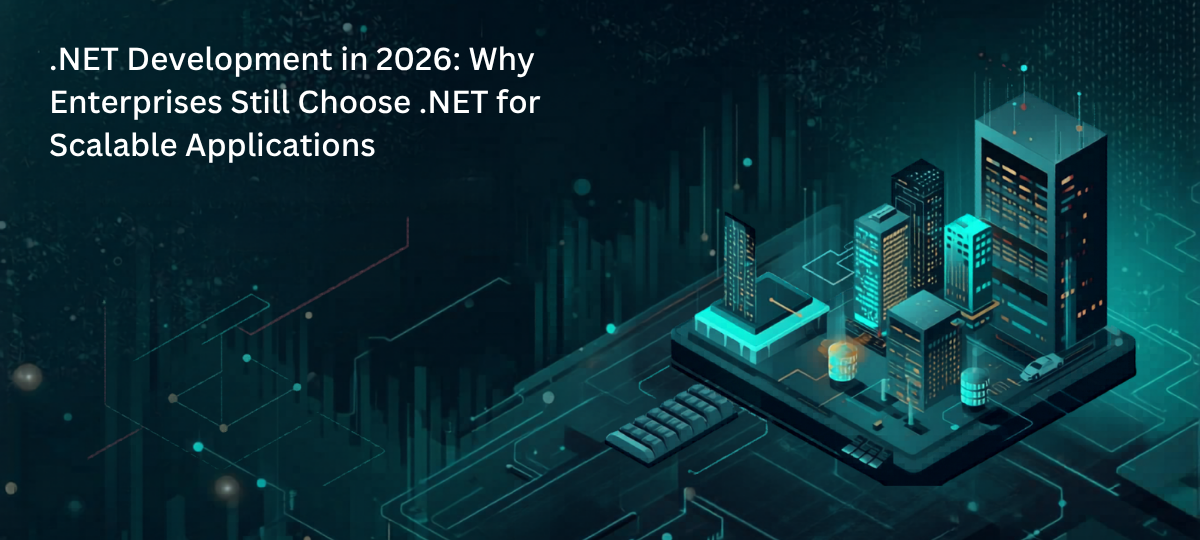

In a technology landscape dominated by emerging frameworks, cloud-native platforms, and AI-driven architectures, one question continues to surface:
Is .NET still relevant in 2026?
The answer is not only yes — it is stronger than ever.
From fintech platforms and healthcare systems to enterprise SaaS products and large-scale eCommerce applications, .NET development remains a preferred choice for building secure, scalable, and high-performance enterprise applications.
This article explores why enterprises continue to invest in .NET development services, how ASP.NET Core has evolved into a cloud-native powerhouse, and why hiring dedicated .NET developers is still a strategic move for long-term digital growth.
The Evolution of .NET: From Framework to Cross-Platform Powerhouse
The .NET ecosystem has undergone a remarkable transformation. What was once a Windows-centric framework has evolved into a unified, cross-platform development platform.
With .NET 8 and beyond, Microsoft has positioned .NET as a modern, open-source, cloud-ready platform that supports:
- Web development with ASP.NET Core
- Microservices architecture
- Cloud-native applications
- Desktop and mobile development
- AI and machine learning integration
- API-first backend systems
Today, enterprises leverage C# development and ASP.NET Core development not just for traditional web apps, but for distributed systems operating at global scale.
Why Enterprises Still Choose .NET for Scalable Applications
1. Enterprise-Grade Performance and Reliability
Performance is critical for enterprise systems handling millions of transactions daily. ASP.NET Core is one of the fastest web frameworks available, optimized for high-throughput and low-latency applications.
Its lightweight runtime and efficient memory management make it ideal for:
- Financial platforms
- High-traffic eCommerce systems
- SaaS applications
- Real-time data processing systems
For organizations prioritizing stability and uptime, .NET remains a trusted choice.
2. Seamless Cloud-Native Development
In 2026, scalability means cloud scalability.
.NET integrates seamlessly with:
- Microsoft Azure
- AWS
- Google Cloud
- Kubernetes and Docker containers
With built-in support for containerization and microservices architecture, .NET enables enterprises to deploy scalable cloud-native applications effortlessly.
ASP.NET Core microservices can be deployed independently, scaled horizontally, and monitored efficiently — making .NET ideal for modern distributed systems.
3. Strong Security Architecture
Security remains a top priority for enterprise software development.
.NET provides:
- Built-in authentication and authorization
- Role-based access control
- Secure API development
- Data encryption support
- Compliance-friendly architecture
For industries like healthcare, fintech, and enterprise SaaS, secure .NET application development ensures regulatory alignment and data protection.
4. Microservices & API-First Architecture
Modern enterprise systems rely heavily on APIs and microservices.
.NET supports:
- RESTful API development
- gRPC services
- Event-driven architecture
- Message queue integration
- Distributed system design
ASP.NET Core enables developers to build modular, scalable services that evolve independently without disrupting the entire system.
This makes .NET ideal for organizations transitioning from monolithic systems to microservices-based architectures.
5. AI & Machine Learning Integration
As enterprises integrate artificial intelligence into core systems, .NET continues to expand its AI capabilities.
Developers can integrate:
- ML.NET for machine learning
- AI-driven analytics engines
- Third-party AI APIs
- Data processing pipelines
This allows businesses to build intelligent enterprise platforms powered by predictive analytics and real-time insights.
6. Mature Ecosystem & Long-Term Support
Unlike many rapidly evolving frameworks, .NET offers long-term stability.
Enterprises benefit from:
- Long-Term Support (LTS) releases
- Large global developer community
- Extensive documentation
- Enterprise tooling support
- Backward compatibility
For mission-critical systems, long-term reliability matters more than experimental trends.
.NET for Enterprise Use Cases
FinTech & Banking Platforms
High-performance transaction processing, compliance-driven security, and reliable API ecosystems make .NET a strong foundation for financial systems.
Healthcare Systems
Secure data management and scalable backend services enable hospitals and health-tech platforms to operate efficiently.
SaaS Product Engineering
ASP.NET Core supports multi-tenant architectures, API integrations, and rapid feature expansion — ideal for SaaS startups and enterprises.
eCommerce Platforms
High concurrency, secure payment integrations, and real-time inventory management make .NET a scalable choice for retail platforms.
.NET Microservices Architecture in 2026
Enterprises are increasingly adopting .NET microservices architecture to ensure:
- Independent service deployment
- Faster development cycles
- Improved fault isolation
- Continuous integration and deployment (CI/CD)
- DevOps-friendly workflows
Using Docker containers and Kubernetes orchestration, .NET microservices scale efficiently across cloud environments.
This flexibility supports rapid innovation while maintaining operational stability.

Future-Proof Your Enterprise Applications with .NET
Wondering why enterprises continue to rely on .NET for scalability and performance? Discover how the platform supports secure, high-performing applications while enabling long-term innovation and growth.
Why Hiring Dedicated .NET Developers Matters
Technology alone does not guarantee success. Execution does.
Enterprises looking to scale product engineering often choose to hire dedicated .NET developers or engage in software development staff augmentation to accelerate delivery.
Experienced .NET developers bring:
- Deep expertise in C# and ASP.NET Core
- Experience with cloud-native architecture
- Knowledge of DevOps pipelines
- API integration skills
- Secure coding practices
Whether through IT staff augmentation services or dedicated development teams, accessing skilled .NET talent ensures faster time-to-market and reduced technical debt.
.NET vs Other Modern Frameworks in 2026
While frameworks like Node.js, Python (Django), and Go have their strengths, .NET continues to excel in:
- Enterprise security
- Structured architecture
- Large-scale backend systems
- Microsoft ecosystem integration
- Long-term maintainability
For organizations deeply invested in Microsoft technologies or enterprise infrastructure, .NET provides seamless compatibility and operational efficiency.
The Future of .NET Development
Looking ahead, .NET continues to evolve with:
- Improved performance benchmarks
- Native cloud-first enhancements
- AI integration expansion
- Enhanced cross-platform compatibility
- Blazor advancements for frontend development
The platform’s roadmap signals long-term innovation, not stagnation.
Final Thoughts
In 2026, .NET is not just surviving — it is thriving.
Enterprises continue to choose .NET development services because the framework offers performance, scalability, security, and cloud-native compatibility. Whether building microservices, APIs, SaaS platforms, or enterprise-grade applications, .NET remains a strategic technology choice.
For businesses scaling digital products, the question is no longer whether .NET is relevant — it is how effectively they leverage it.
Investing in experienced .NET developers, modern ASP.NET Core architecture, and cloud-native deployment strategies ensures that enterprise applications remain future-ready, scalable, and secure.
.NET Development in 2026: Why Enterprises Choose .NET for Scalable Applications
Explore why enterprises choose .NET development in 2026 for scalable, secure, and cloud-native applications built with ASP.NET Core and microservices.
Related Hashtags:
#DotNetDevelopment #ASPNetCore #CSharp #MicroservicesArchitecture #CloudNative #EnterpriseSoftware#ScalableApplications #HireDotNetDevelopers#ProductEngineering#MetaDesignSolutions